Anyone who has hiked a stretch of the Art Loeb Trail on a humid August afternoon knows Western North Carolina summers can surprise you, even up in the mountains.

The elevation might buy you a few cooler degrees than Asheville down below, but a sweaty climb still leaves you drenched by the time you reach a ridgeline. If you wear hearing aids, that same heat and moisture end up right behind your ear too. By the time you get back to the trailhead, it is not always comfortable.

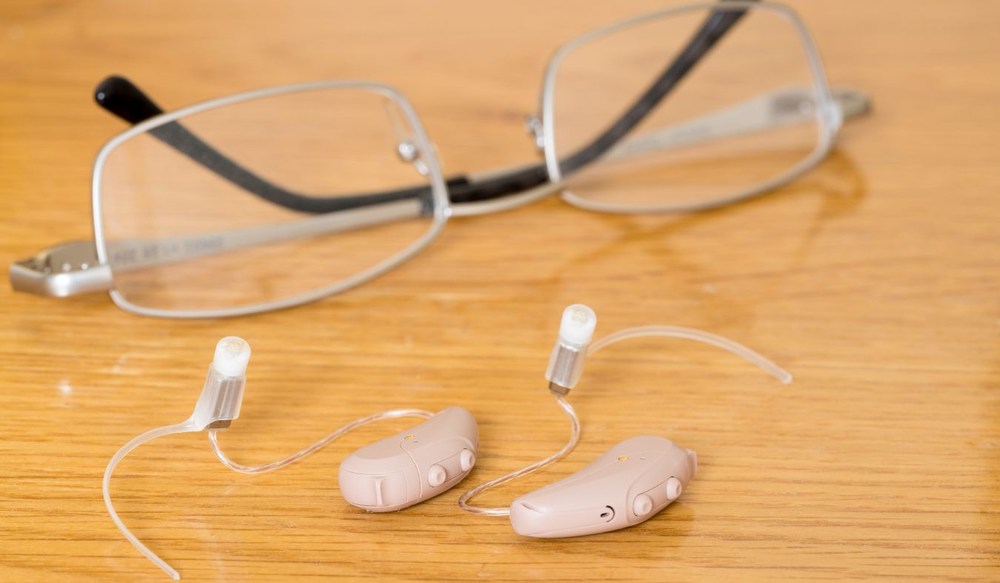
New materials in hearing aid design are starting to change that experience. Some manufacturers now use cooling fabrics, breathable coatings and moisture-wicking components in places that used to trap heat against the skin.

These materials move sweat away from the device rather than letting it sit against your skin. This simple change considerably improves comfort during hot mountain months.

Why Ear Comfort Directly Impacts Daily Hearing Aid Use

Getting used to new hearing aids takes time, and wearing them consistently gives your brain more opportunities to adjust to sounds you have not heard clearly in a while. That becomes much harder when the devices themselves are uncomfortable.

Pressure, rubbing or soreness inside the ear can quickly become more noticeable than whatever you are trying to listen to.

The trouble is that repeatedly cutting wear time short also reduces the amount of listening practice you get throughout the day. Conversations, television and background sounds all give your brain more experience sorting through amplified sound.

If a spot hurts every time you put the hearing aid in, you will naturally wear it less. Discomfort quickly cuts daily wear time short. A comfortable fit makes it easier to forget about the device and pay attention to what is happening around you instead.

What Causes Heat and Moisture Inside Your Ear

Hearing aids, earmolds and domes sit close to the skin for hours at a time. Depending on the style and fit, that contact can reduce airflow around parts of the ear canal and allow warmth to build.

Add a humid Western North Carolina afternoon or a long hike, and the area can start feeling noticeably hotter and stickier. Several things can contribute to that discomfort:

  • Sweat lingering around the ear because it cannot evaporate as quickly
  • Limited airflow around a snug dome or earmold
  • Repeated rubbing against skin that is already warm or irritated

How Hearing Aid Materials and Venting Improve Comfort

Hearing aid comfort depends partly on the materials and physical design used around the ear. Softer silicone domes and earmolds can feel gentler against sensitive skin than harder materials, while venting gives air another path in and out of the ear canal.

Open-fit designs also leave more of the canal unobstructed when that style is appropriate for the wearer’s hearing needs.

The right setup is not the same for everyone. A dome that feels comfortable for one person might create pressure for someone else, and changing the size, material or venting can make improve wearer experience.

Moisture resistance has improved in many of today’s hearing aids as well, which gives the internal components more protection from sweat and humidity. For the wearer, the bigger benefit is simple: less fussing with the hearing aids and fewer reasons to take them out before the day is over.

Modern Cooling Materials for Daily Comfort

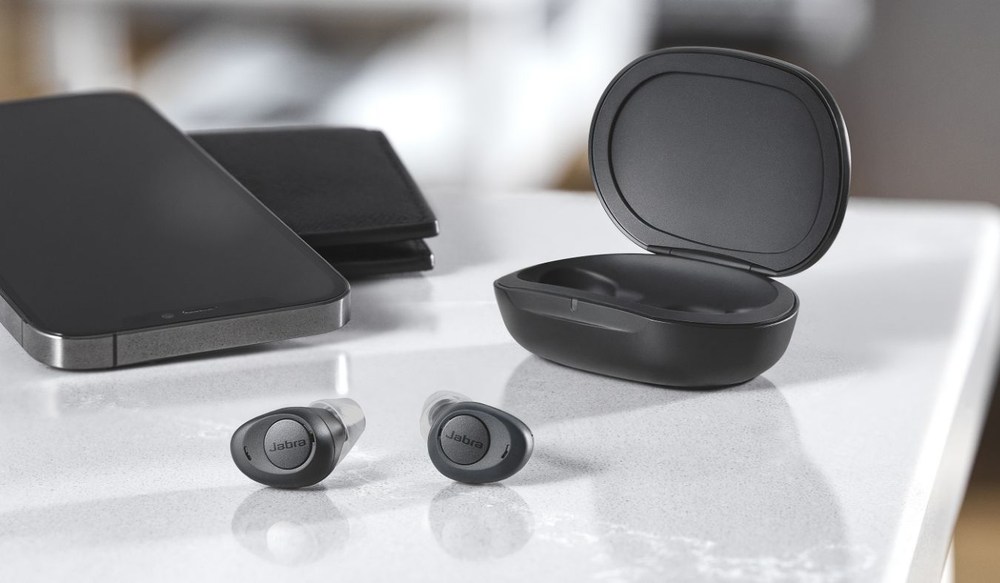
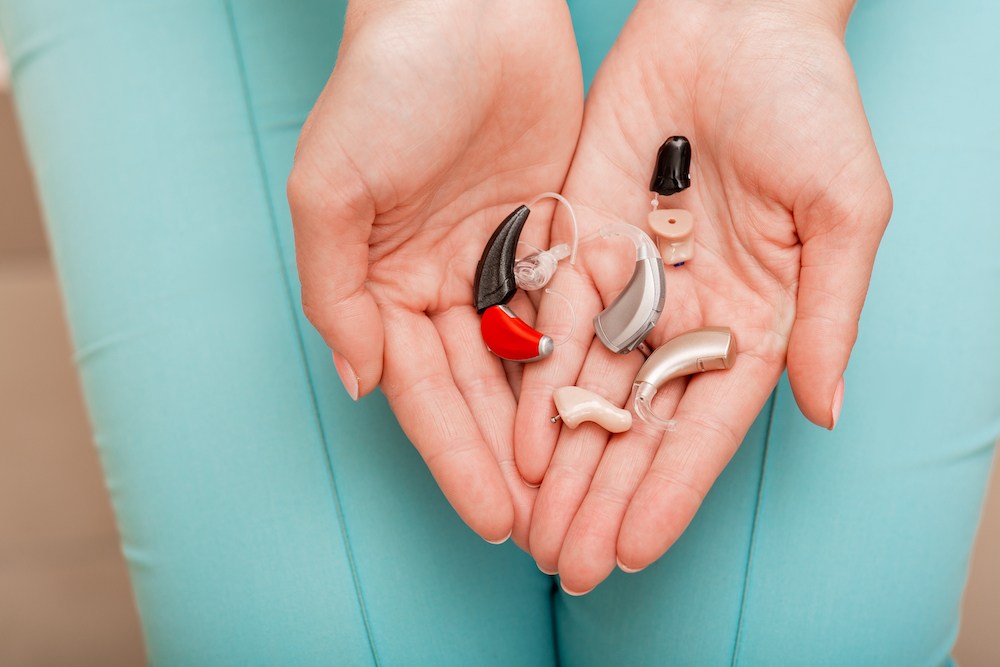
Today’s hearing aids are designed with comfort in mind, especially for people who wear them for most of the day. Softer materials, smaller shells and better venting can help reduce the hot, closed-in feeling that sometimes develops around the ear.

These design changes give heat and moisture less chance to build up against the skin. A few key hearing aid features can make a large impact:

  • Micro-vented shells or domes that allow more air movement around the ear
  • Softer, medical-grade silicone that cushions pressure against sensitive skin
  • Smooth, moisture-resistant finishes that are easier on skin during warm weather

Legacy Plastics Compared to Today’s Polymers

Older hearing aid designs often relied more heavily on firm acrylics and dense plastics. Those materials were durable, but they could feel rigid against sensitive skin, especially during long periods of wear.

Today’s materials offer more flexibility. Softer silicone and other skin-friendly polymers can move slightly with the ear instead of pressing against the same area all day. That little bit of give helps reduce friction and makes the fit feel less harsh.

Material choice also matters for people with sensitive skin. Hypoallergenic options can be useful when certain plastics or finishes cause repeated itching or irritation. The right material will depend on the hearing aid style, fit and the wearer’s individual skin sensitivity.

Extending Wear Time Without Ear Fatigue

Comfort has a big influence on how long someone actually wants to keep their hearing aids in. If your ears feel hot, itchy or sore after a few hours, it is hard not to start fiddling with the devices or taking them out altogether. A better fit and more comfortable materials make that much less likely.

That matters because consistent wear gives your brain more time with the sounds you want to hear throughout the day. You are not constantly starting and stopping because your ears need a break from pressure or irritation.

Ideally, the devices should fade into the background while you go about your day. You should be able to talk with friends, work, run errands or spend time outside without constantly thinking about how the hearing aids feel in your ears.

Smart Buying and Care Habits for Heat-Sensitive Ears

If heat tends to make your ears uncomfortable, the physical design of a hearing aid deserves just as much attention as its sound features.

Ask your local hearing specialist about dome styles, shell materials and venting options that could feel better during long days of wear. A small change in material or fit can make a noticeable difference when temperatures climb.

A few simple questions to ask and habits to follow include:

  • Ask about softer dome materials or shell options if your ears are prone to irritation.
  • Find out which designs offer enough venting for your hearing needs without creating feedback.
  • Wipe the outer casing with a soft, dry cloth at the end of the day.
  • Keep vents and openings free of wax using the cleaning tools recommended for your specific devices.

Personalizing Device Fit With Your Hearing Specialist

Comfort starts with the shape of your ear. For custom hearing aids or earmolds, your hearing specialist can take an impression of the ear so the device follows the contours of the canal more closely.

That custom fit helps balance comfort, stability and the amount of venting needed for your hearing loss.

Sometimes the first fit still needs a little fine-tuning. A spot that feels fine during a short appointment can become irritating after several hours of talking, chewing or moving around.

Follow-up adjustments give your hearing specialist a chance to smooth pressure points, change the fit or modify the venting before that irritation becomes a recurring problem.

Your feedback matters here. If one area keeps feeling sore, hot or tight, say exactly where and when it happens. Those details make it easier to adjust the device instead of asking you to simply get used to discomfort.

What Future Hearing Aid Designs Could Look Like

Hearing aid materials continue to improve, but some of the more advanced temperature-control ideas are still emerging rather than standard features you will find in most devices. Researchers are exploring materials that respond differently to body heat, along with new ways to improve airflow around the ear.

One area of interest is phase-change material, which can absorb and release heat as temperatures shift. In theory, materials like these could help reduce the amount of warmth that builds up against the skin during exercise or hot weather.

Designers are also looking at ways to improve ventilation without sacrificing sound quality or creating feedback. Better vent placement, smaller shells and more breathable fittings are already moving in that direction.

The next generation of hearing aids will likely keep building on those ideas rather than relying on bulky cooling systems or dramatic new hardware.

What New Advances May Mean for Future Hearing Aid Comfort

If your hearing aids have felt less comfortable as the weather heats up, newer cooling materials might make a real difference for you. Hearing Is Us can walk you through what’s available and help you find a fit that holds up through a Western North Carolina summer.

Comfort should not be something you have to push through just to get through the day. Reach our Fletcher office at 828-900-2339 or Highlands at 828-332-5672.