Do Hearing Aids Block Background Noise? How It Works
If you’re thinking about getting hearing aids, one of the first


By: admin | December 21, 2025
When you’re choosing a hearing aid, most of the conversation focuses on sound quality and features. But comfort is just as important, and it’s something that affects whether you’ll actually wear the device consistently.
A hearing aid that feels uncomfortable, even slightly, becomes something you want to take out after a few hours. It can cause irritation, pressure or just a general awareness that something’s in your ear that shouldn’t be there.
Over time, that discomfort leads to frustration and makes you less likely to keep the device in all day, which means you’re not getting the full benefit.
The design of a hearing aid goes beyond how it looks. It includes the materials used, how the device sits in or behind your ear, and how much contact it has with your skin throughout the day.
A well-designed hearing aid should feel so natural that you forget it’s there, letting you focus on the conversations and activities in front of you instead of the device itself.
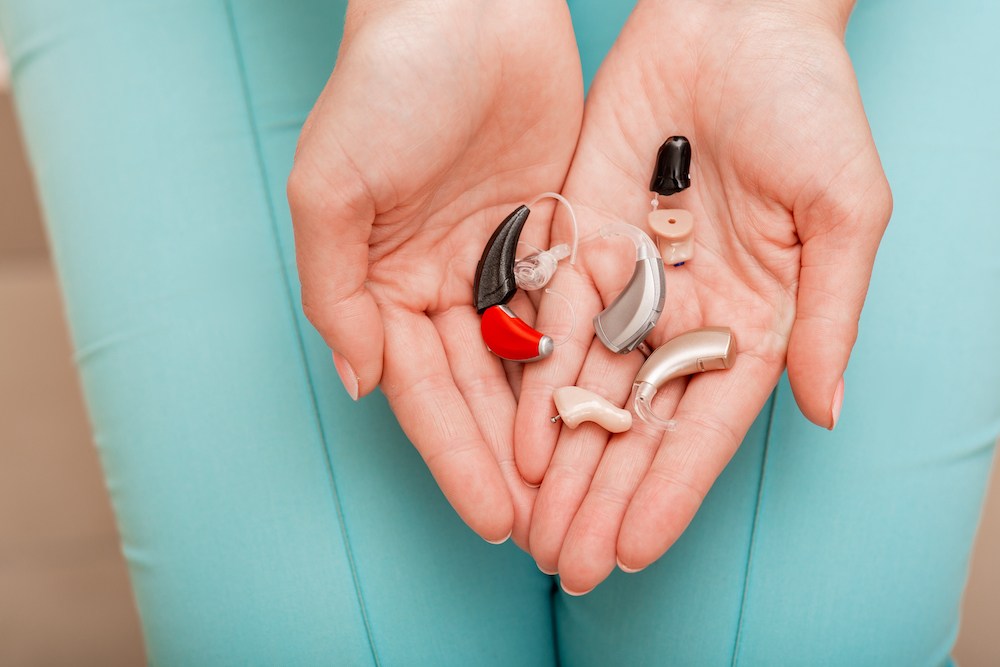
Different hearing aid styles sit in or on your ear in distinct ways, and each design has its own comfort considerations.
What feels right for one person might not work for someone else based on the shape of your ear, how sensitive your skin is and what you do throughout the day. Some styles are more noticeable but offer better ventilation and easier handling, while others are almost invisible but require a tighter fit inside your ear canal.
Knowing the basic differences between hearing aid styles can help you figure out which design feels comfortable for long term wear. The most common styles include:
When choosing a hearing aid, size and the type of fit are two key factors that affect comfort. Larger devices may be easier to handle, especially if you have dexterity challenges, but they can feel more noticeable behind or in your ear. Smaller devices tend to be less visible and lighter, but they may feel snug or more intrusive, particularly if they sit deep in the ear canal. Considering your daily activities and how much time you will spend wearing the device can help you determine the size that works best for you.
Fit is equally important for comfort, and hearing aids generally come in open fit or closed fit styles. Open fit devices allow some natural sound to enter your ear alongside amplified sound, which can feel more airy and less plugged.
This type of fit is often preferred for people with mild to moderate hearing loss and for those who find a closed fit uncomfortable. Closed fit hearing aids fill the ear canal more completely, providing stronger amplification and reducing background noise.
This fit can be more effective for people with moderate to severe hearing loss, but it may feel more noticeable initially.
Discussing your lifestyle, ear shape and hearing needs with a professional can help you choose a combination of size and fit that makes wearing your hearing aids comfortable all day.
Comfort is one of the most important factors in how successfully you use hearing aids. When a device fits well, you are more likely to wear it for longer periods, which means you benefit from improved clarity in conversations, better awareness of your surroundings and a more enjoyable experience listening to music, television or everyday sounds.
Uncomfortable hearing aids, on the other hand, may cause irritation, pressure or soreness, which can make you avoid wearing them and limit the positive impact they are designed to provide.
A comfortable hearing aid also supports confidence and ease in daily activities. If the device feels secure and unobtrusive, you can focus on your interactions rather than being constantly aware of the hearing aid in your ear.
Consistent use allows your brain to adapt to amplified sounds more quickly, making speech easier to follow and reducing listening fatigue.
Over time, a comfortable fit helps you get the full benefit of modern hearing technology, allowing you to stay engaged in social settings, work environments and other situations where hearing clearly matters most.
The materials used in hearing aids play a key part in both comfort and durability. Devices can be made from soft silicone, lightweight plastics or metals and each option affects how the hearing aid feels against your skin.
Choosing a material that feels comfortable can reduce irritation and make it easier to wear the device for long periods without noticing it. Lightweight materials are often less noticeable during daily activities, helping you focus on your surroundings rather than the device itself.
Skin sensitivity is another factor to consider. Some people react to certain plastics, silicone or metals, which can cause redness, itching or general discomfort where the hearing aid touches the skin.
Hypoallergenic materials may help reduce these reactions. Letting your specialist know about any skin sensitivities allows your specialist to recommend options that will be easier and more comfortable to wear while ensuring your hearing aid lasts as long as possible.
The design of the earmold is essential in how well your hearing aid fits and feels. Custom ear molds are shaped to match your ear, which helps keep the device secure and reduces movement during daily activities.
A close fit can lower the risk of soreness or pressure points and make it easier to forget you are wearing the device. The right ear mold design also helps direct sound properly into your ear canal, improving sound quality.
The type of battery your hearing aid uses can affect how convenient it is to wear every day. Many modern hearing aids now have rechargeable batteries, allowing you to place the device in a charging station overnight and wake up to a fully powered device.
This removes the need to constantly buy and replace tiny disposable batteries, reducing ongoing costs and hassle. Some people still prefer traditional disposable batteries because they are easy to find, simple to swap out and provide a backup if you forget to charge your device.
Establishing routines like charging your hearing aids at the same time each night or keeping extra disposable batteries on hand can prevent interruptions and ensure your devices are always ready when you need them.
Rechargeable hearing aids often include indicators to show battery levels, giving you peace of mind and reducing the chance of your device losing power at important times.
Hearing aids are built with controls that make adjusting settings simple and stress-free. Large, clearly marked buttons, easy-to-turn dials and switches that click into place allow you to change volume or switch programs without difficulty.
Some devices also have tactile markings or color cues so you can quickly identify controls even without looking. These designs are especially helpful for people with limited finger strength, arthritis or reduced dexterity, making it easier to adjust hearing aids throughout the day.
Wearer-friendly controls reduce frustration and let you focus on conversations, music or daily activities instead of managing your device. Some hearing aids can connect to smartphone apps that allow you to adjust settings, monitor battery life and track usage for even more convenience and control.
Noise reduction features in modern hearing aids are designed to make listening in busy or challenging environments easier. Directional microphones focus on the sounds coming from in front of you, helping speech stand out in places like restaurants, classrooms or crowded events.
Digital filters work to reduce steady background noises, like fans, air conditioners or traffic, so they are less distracting. Many hearing aids also adjust automatically to changes in your surroundings, switching settings as the noise level rises or falls.
These features reduce listening effort, helping you follow conversations, enjoy music or stay aware of your environment without feeling fatigued or overwhelmed.
Over time, effective noise reduction can make daily interactions more comfortable and keep you engaged in activities you enjoy.
A proper fitting by a hearing instrument specialist is key to making your hearing aids feel comfortable and work effectively.
Everyone’s ears have a unique shape, so precise measurements and careful adjustments ensure that your device sits securely without causing pressure, soreness or irritation.
A proper fit helps prevent issues like slipping, rubbing or feedback noises, which can interfere with both comfort and sound quality. It also allows your hearing aids to deliver sound in the way they were designed, giving you the clearest possible listening experience.
Working with a specialist means your hearing aids are tailored to your ears and lifestyle, helping you feel more confident and comfortable wearing them throughout the day.
Comfort is a key part of getting the most out of your hearing aids. When a device fits well, feels natural and sits securely in your ear, it allows you to focus on the people and sounds around you instead of constantly noticing the device.
Small differences in fit, materials or style can make a big impact on how long and how often you wear your hearing aids each day.
Choosing a hearing aid with comfort in mind helps you stay engaged in conversations, activities and daily routines without distraction or irritation.
If you want guidance on selecting a hearing aid that feels as good as it sounds, reach out to Hearing is Us in Fletcher, NC at 828-900-2339 or in Highlands, NC at 828-332-5672. Comfort matters just as much as performance, and getting it right means you can enjoy your hearing aids fully from the moment you put them in.
Tags: hearing aid basics, hearing aid repair, hearing aid styles
If you’re thinking about getting hearing aids, one of the first
By: admin | February 20, 2026
When you’re choosing a hearing aid, most of the conversation focuses
By: admin | December 21, 2025

When hearing aids aren’t sufficient, cochlear implants can unlock a new
By: admin | August 7, 2025